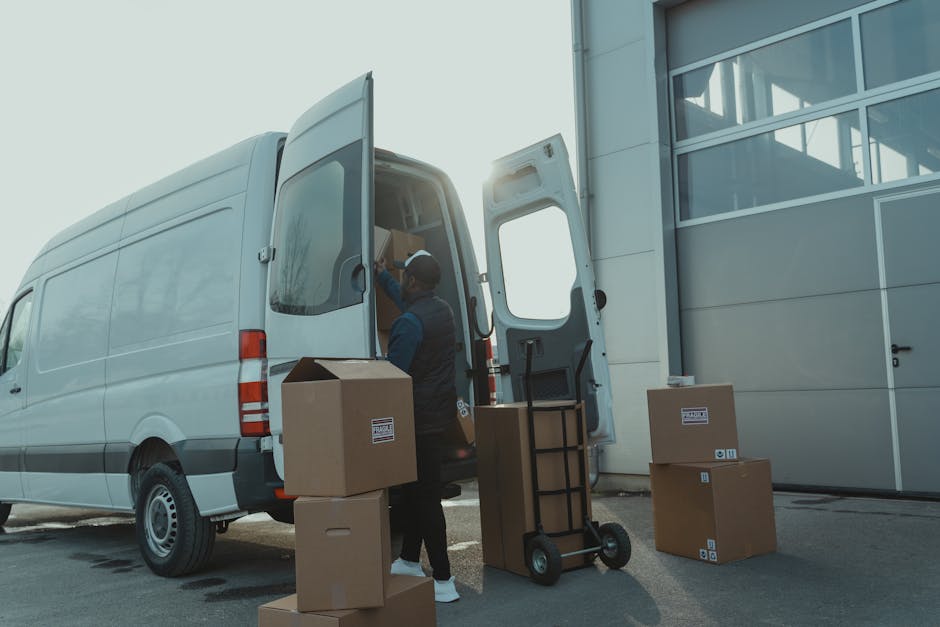
Man with van Streatham Hill station pickups: a practical guide for smooth, stress-free local moves
If you have ever tried to organise a collection near a busy station, you will know the small things become the big things very quickly. Where can the van wait? Is the driver meeting you on the right side of the road? What if your items are coming off a train late, or you are juggling a few awkward boxes at rush hour? That is exactly where Man with van Streatham Hill station pickups comes in. It is a simple idea, but it solves a surprisingly common problem: getting people, parcels, furniture, or move-ready belongings collected efficiently from the station area and delivered safely wherever they need to go.
This guide explains how station pickups work, why they matter, what to expect on the day, and how to avoid the classic mistakes that slow everything down. If you are deciding between a standard taxi, a courier, or a dedicated removal van, you will find the practical differences here too. A lot of the value is in the details, honestly. And those details are what keep a simple pickup from turning into a mildly chaotic little drama outside the station gates.
Why Man with van Streatham Hill station pickups Matters
Streatham Hill station sits in a part of south London where timing, traffic, and space matter. You are often dealing with a busy roadside, brief stopping windows, pedestrians moving quickly, and the usual London pressure of trying to be in two places at once. A station pickup service with a van makes sense because it is built for exactly that kind of environment.
Rather than treating the pickup as a generic delivery job, it is handled as a managed move: the driver understands that you may be collecting from platforms, lockers, a meeting point outside the station, or a handover from someone arriving by train. That sounds basic, but it changes everything. It means planning around access, loading time, and the nearest sensible place to park or pull in. No guessing. No last-minute panic.
For people collecting furniture, business stock, trade materials, or items bought second-hand, the station pickup is often the bridge between the seller and the final destination. It is also handy for anyone arriving into London with more than a backpack. A van gives you breathing room, and breathing room is underrated.
Expert summary: The best station pickup jobs are not about speed alone. They are about timing, communication, and using the right vehicle so that the handover near Streatham Hill station feels calm rather than cramped.
If you are planning something broader than a simple collection, it may also help to look at related services such as man and van support, full removal services, or even home moves when the pickup is only one part of the move.
How Man with van Streatham Hill station pickups Works
The process is usually straightforward, though the quality of the planning makes a huge difference. In practical terms, a station pickup involves a vehicle being booked to meet you near Streatham Hill station at an agreed time, load your items, and take them to a home, office, storage unit, or another destination.
Here is what normally happens behind the scenes:
- You share the pickup details. That includes the station, the time window, what is being collected, and whether there are stairs, heavy items, or fragile boxes.
- The route and access are checked. A good mover thinks about traffic, stopping points, and whether the job needs a smaller van or a larger vehicle.
- Arrival is coordinated. Ideally, the driver and customer know how they will meet. Near stations, that may mean a specific side road, entrance, or nearby landmark rather than the main gate.
- Loading happens quickly but safely. This is where blankets, straps, trolleys, and a sensible loading order can save time and prevent damage.
- Everything is delivered and checked. The final handover should be simple: confirm the drop-off point, unload carefully, and make sure nothing has been left behind.
One thing people sometimes forget: station pickups are not just about the van, they are about communication. A delayed train, a changed platform, or a busy crossing can throw off the plan. A responsive driver helps absorb that wobble. That flexibility matters more than people expect.
If the job involves fewer items, a moving van may be enough. For larger or mixed loads, a moving truck or removal van may be more suitable, depending on the access and the volume.
Key Benefits and Practical Advantages
There are several reasons why people choose a dedicated pickup service instead of trying to improvise with a car, taxi, or a borrowed van. The obvious reason is capacity, but that is only part of it.
- Less stress at a tight location. Stations are not the place for a long, awkward loading session. A van job is planned to keep things moving.
- Better handling for awkward items. If you are collecting chairs, boxed electronics, small furniture, or business materials, a van is simply more practical.
- Reduced risk of damage. Professional loading is calmer. That matters when you have fragile or valuable items.
- More predictable timing. A pickup arranged around train times or station access is easier to manage than trying to coordinate a last-minute ride.
- Good for mixed loads. You might have one heavy item, three suitcases, and a few bags. A station pickup van handles odd combinations well.
There is also a mental benefit. You feel sorted. Which, to be fair, can be half the battle in London. You do not need to keep rethinking the logistics while standing with your bags on a pavement that suddenly feels too narrow for everyone else in the world.
For many customers, the service also blends neatly with other needs, such as furniture pick-up, packing and unpacking support, or broader removals near me searches when they want local help without the hard sell.
Who This Is For and When It Makes Sense
This service is more versatile than people first assume. It is not just for people moving house. In fact, many station pickups are small, practical jobs rather than full-scale relocations.
It tends to suit:
- people collecting bulky items from another traveller or seller arriving by train
- students moving into or out of rented accommodation
- small businesses collecting stock, samples, or exhibition materials
- households picking up furniture after a sale or delivery delay
- visitors arriving into London with too much luggage for a regular taxi
- anyone who needs a careful handover with minimal waiting around
It makes sense whenever the pickup point is constrained, time-sensitive, or awkward to manage alone. That could mean a person with mobility limitations, a load too heavy for public transport, or a delivery that simply does not suit a standard courier model.
And yes, sometimes it is just about avoiding hassle. You do not need a heroic story for every move. Sometimes the sensible option is the best one, full stop.
For larger domestic relocations, the same logic can be extended into house removals or a more complete man with van removal service. For business moves, commercial moves and office removals may be the more relevant route.
Step-by-Step Guidance
If you want the pickup to go smoothly, the planning really can be done in a few careful steps. Nothing fancy. Just sensible preparation.
- Confirm what is being collected. Make a list if you need to. Include item sizes, weight, and whether anything is fragile or awkward.
- Choose the right pickup window. Try to avoid peak congestion if you can. A few minutes can matter near a station.
- Share the exact meeting point. If the station exit is busy, name a nearby landmark, side street, or entrance in advance.
- Check access for loading. Think about whether the driver can stop safely and whether the handover needs to happen on pavement, at a kerb, or in a side road.
- Prepare your items before the van arrives. The best pickups are quick because the customer is ready, not because everyone rushes.
- Protect fragile belongings. Use boxes, wrapping, and padding where needed. If you are not sure, add a bit more protection than you think necessary.
- Stay reachable by phone. Small delays happen. One missed call can slow the whole thing down.
- Check the load before departure. A quick final look avoids that sinking feeling later when you realise a bag was left behind.
If your move includes extra handling, it may be worth combining the pickup with packing and unpacking services or using a broader removal company that can manage the journey from door to door.
Expert Tips for Better Results
After a while, you notice the same things help every time. None of them are glamorous. All of them save time.
- Book with a realistic time buffer. Trains run late, traffic moves oddly, people get turned around. Add a margin.
- Group your items by priority. Keep the first-off load near the door or platform side if possible.
- Label boxes clearly. Even a simple sticker saying "fragile" or "office files" reduces confusion.
- Measure larger pieces. A sofa or wardrobe might fit the van but not the stairwell. Classic trap.
- Use sensible packaging. A bit of bubble wrap or blanket protection goes a long way.
- Ask about insurance and safety. Good operators are usually happy to explain how they handle loading, transit, and risk.
There is also a very human tip: do not overpack the first handover point. If you have to run back and forth across the pavement while apologising to strangers, the job gets messy fast. A tidy pile and one clear contact person make life easier for everyone involved.
If sustainability matters to you, ask how reusable packing materials, route efficiency, and recycling are handled. The page on recycling and sustainability is a useful companion if you are planning a more responsible move.
Common Mistakes to Avoid
Most station pickup problems are avoidable. That is the annoying part, really. They usually happen because somebody assumed the process would be simpler than it is.
- Assuming the station forecourt is a loading bay. It often is not. You still need a safe, lawful stopping point.
- Not checking the size of the load. A job that starts as "just a few boxes" can turn into a van-full once you add a chair, monitor, and two suitcases.
- Underestimating walking distance. A pickup from one exit may be fine; a pickup from another may mean a long carry. That changes the job.
- Forgetting to separate fragile items. When everything is mixed together, damage risk rises.
- Leaving timing too tight. If the train is late and the van is scheduled exactly on the minute, somebody ends up stressed.
- Not asking about payment terms in advance. That awkward conversation at the kerbside is never anyone's favourite moment.
One small but important point: if you know the pickup includes stairs or a longer carry, say so early. It is not a big deal. It just helps the job be priced and planned properly. Truth be told, most issues come from missing one tiny detail rather than a major disaster.
Tools, Resources and Recommendations
You do not need a complicated toolkit, but a few basics make a station pickup much easier.
- Clear item list: useful for quoting, planning, and checking nothing is missed.
- Phone with charge: simple, but essential for coordination.
- Box labels or markers: helps keep things organised, especially if the items are going to storage or an office.
- Protective wrapping: ideal for corners, screens, glass, or painted furniture.
- Blankets and straps: standard removal kit for safe transit.
- Measurements: rough sizes of large items, doorways, or stairways if the route is tight.
On the service side, it helps to work with a company that publishes clear information on pricing and quotes, explains payment and security, and sets out expectations in its terms and conditions. That does not solve every problem, but it does reduce surprises. And surprises, around a station pickup, are usually the bad kind.
Where business or office items are involved, you may also find office relocation services and removal truck hire useful if the pickup is part of a bigger move.
Law, Compliance, Standards, or Best Practice
Station pickups live in the real world, so best practice matters. You do not need to become a transport law expert, but you should understand the basics.
In the UK, a pickup near a station should be planned around sensible road use, safe loading, and respectful use of public space. That usually means avoiding obstruction, keeping pedestrians safe, and not assuming that any roadside is available for loading. Local restrictions, signage, and operational conditions can all affect where a vehicle can stop. If you are unsure, the safest approach is to ask the mover to plan the stop in advance rather than improvising on arrival.
Insurance is another key point. Reputable operators should be able to explain how goods are covered, what happens in transit, and what the customer should do if there is a problem. It is also sensible to ask how staff handle lifting, securing, and damage prevention. You do not need pages of technical detail. You do need clarity.
For customers, the best practice is simple:
- provide accurate item information
- be honest about access constraints
- share the pickup point clearly
- keep communication open on the day
- read the booking terms before confirming
If you want to understand the company's approach to safety and responsibility in more detail, the pages on insurance and safety and health and safety policy are the most relevant place to start.
Options, Methods, or Comparison Table
Not every pickup needs the same kind of transport. The right choice depends on volume, time pressure, and how much handling is involved. Here is a simple comparison to help you choose.
| Option | Best for | Strengths | Limitations |
|---|---|---|---|
| Standard car or taxi | Light luggage or one small bag of items | Quick for very small loads | Limited space, not ideal for furniture or multiple boxes |
| Courier-style delivery | Pre-packed parcels and drop-off jobs | Simple for boxed items | Less flexible for awkward or mixed loads |
| Man with van pickup | Mixed items, furniture, station handovers, short local moves | Flexible, practical, good balance of capacity and ease | Needs clear timing and access planning |
| Removal van or truck | Bulkier loads or combined pickups | More space, better for larger jobs | May be unnecessary for small station collections |
As a rule, if the job is a single suitcase and a duffel bag, you probably do not need much more than a basic transport option. If it involves a table, boxes, and two people meeting at different times, a proper man with van service is usually the smoother choice.
Case Study or Real-World Example
Picture a fairly typical scenario. Someone arrives at Streatham Hill station with a train-delivered collection: two medium boxes, a desk chair, a lamp, and a folded side table. Nothing dramatic. But it is awkward enough that carrying it all by hand would be annoying, especially if the weather is grey and the pavement is busy.
The customer has already shared the item list, confirmed the meeting point, and said there is no lift involved. The van arrives a little early, which helps because the platform handover takes longer than expected. One box is heavier than planned, so the driver helps secure it properly before leaving. The move is done in one trip, no reloading, no awkward taxi boot puzzle, no wandering around the station trying to identify someone by description alone.
What made it go well? Not luck. It was the basics: clear communication, realistic timing, the right van size, and a simple plan for where to meet. That is usually the pattern. Smooth jobs are rarely accidental.
If the same customer had needed help moving the items upstairs at the destination, a wider man and van removals service would have made even more sense. If it had been a full flat move, they might have been better off with house removalists instead.
Practical Checklist
Use this before your pickup. It saves time, and honestly, it saves nerves too.
- Confirm the exact station and meeting point
- Share the pickup time window, not just a rough hour
- List every item, including awkward extras
- Note stairs, lifts, or long walking distances
- Measure large furniture or boxes if needed
- Tell the mover about fragile or valuable items
- Keep your phone charged and nearby
- Make sure packaging is ready before arrival
- Check the terms, pricing, and payment method in advance
- Do a final walkthrough before the van drives off
If the job looks like it might grow, or if you are not sure whether it is still a pickup or has quietly become a proper move, it may be worth comparing removal services with man and van removals. A quick decision now usually beats a rushed one later.
Conclusion
Man with van Streatham Hill station pickups work best when the job is treated like a small, organised move rather than a last-minute errand. That mindset changes the quality of the whole experience. You get better timing, less damage risk, cleaner handovers, and a lot less standing about wondering who is where.
For local customers, students, shoppers, businesses, and anyone collecting mixed items near the station, the appeal is simple: a van gives structure to an otherwise messy little task. It makes the handover easier, the transport safer, and the day far more manageable. And that is worth a lot, especially in a part of London where the pace can be brisk and the pavements feel busy by mid-morning.
When you are ready to plan your pickup with confidence, choose the service level that fits the load, share the details clearly, and give yourself a bit of breathing room. A calm pickup is a better pickup. You feel it straight away.
Get a free quote today and see how much you can save.
Frequently Asked Questions
What does Man with van Streatham Hill station pickups actually mean?
It means arranging a van and driver to meet you near Streatham Hill station for a collection or handover. The service is useful for luggage, furniture, boxes, business items, and other loads that are too awkward for a standard car or taxi.
Is this service only for house moves?
No. It is often used for small collections, student moves, second-hand furniture pickups, office items, and train station handovers. A lot of jobs are smaller than a full move, and that is perfectly normal.
How much notice do I need to give?
As much as you can. Short-notice pickups may still be possible, but more notice usually gives you a better time slot and a better vehicle match. If the job is time-sensitive, say so early.
Can a van meet me directly outside Streatham Hill station?
That depends on traffic, stopping rules, and access on the day. It is better to agree an exact meeting point in advance rather than assume the station forecourt will work as a loading point.
What should I tell the mover before the pickup?
Share the item list, rough sizes, any stairs or lifts, whether the load is fragile, and where exactly you want to meet. The more accurate the information, the smoother the job will be.
Is it cheaper than booking a full removal company?
Often, yes, for smaller jobs. If you only need a pickup and delivery, a man with van option can be more cost-effective than a larger removal package. For bigger loads, though, a full removal service may be better value overall.
What if my train is delayed?
Let the driver know as soon as you can. A short delay is usually manageable if communication stays open. This is one of the main reasons good station pickup services build in a bit of flexibility.
Can I use this for furniture collections?
Yes, absolutely. Furniture collection is one of the most common reasons people book a van pickup. If the item is bulky, fragile, or awkward to carry, it is much easier with proper transport.
Do I need to pack everything myself?
Usually, yes, unless you have arranged packing help as part of a wider service. It is best to have your items ready before the van arrives so the handover is quick and safe.
What if I have more items than I first thought?
Tell the mover as soon as possible. Loads have a habit of growing by stealth. If the job changes, it may need a different vehicle or a revised quote.
Are station pickups suitable for office collections too?
Yes. Small office collections, samples, archives, and equipment can all be managed this way. For a larger workplace move, though, a dedicated office relocation plan may be more suitable.
How do I know if I need a van or a bigger removal truck?
Think about volume, weight, and access. If you have a few boxes and one or two bulky items, a van is often enough. If the job is larger or more complex, a bigger vehicle may be a better fit. When in doubt, describe the load clearly and ask for advice.
Can I combine a station pickup with another move on the same day?
Yes, and that is often efficient. For example, a pickup can be combined with a home drop-off or a small office move, as long as the route and timing are planned properly.
What should I check before confirming the booking?
Check the collection point, item list, timing, pricing, payment method, and any access issues. If the company provides clear information on quotes and safety, that is a reassuring sign.
Where can I learn more about the company and its standards?
Useful supporting pages include about us, health and safety policy, and complaints procedure. They help you understand how the service is run and what to expect if you need support.