Man and van removals in Streatham

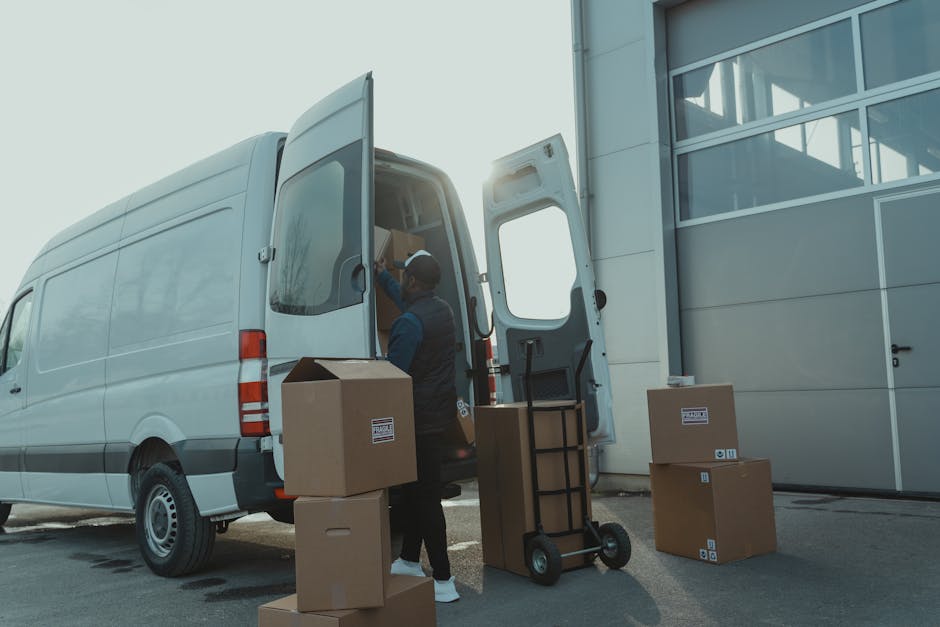
Man and van removals in Streatham can suit customers who need a practical moving service without the scale of a full removal lorry. We handle local and longer-distance moves with a van-based setup that is well suited to flats, houses, shared properties and straightforward office clearances. The service is built around carrying, loading and transporting your belongings carefully, with the aim of keeping the move organised and manageable from start to finish.
Our man and van service is the core option for smaller household moves, partial loads and single-item transport where flexibility matters. It can also work well when you need help with access, stairs or awkward parking, because a van-based move is often easier to position than a larger vehicle. If you are comparing options, removal services give a broader overview of the kinds of moves we support, while the focused pages help you decide which service best fits the size and timing of your job.
If you want to keep planning simple, you can request a quotation and share the key details of your move. A short outline of what needs moving, where it is going and any access considerations helps the service be scoped more accurately. For a price overview before you enquire, pricing and quotes explains the factors that commonly affect moving costs and what information is useful when preparing a request.
Household moves with van access
We provide support for household removals that do not necessarily need a large crew or a full-size removals truck. This can include studio flats, one-bedroom homes, student moves and partial household loads where only selected rooms or heavier pieces need transporting. The service is designed to be adaptable, so the load can be arranged around the property layout, access conditions and the type of furniture involved.
For a straightforward house move, house removals describe a more house-focused option, while home moves covers domestic relocations more generally. These pages can help when you are deciding whether the move is mainly a small-load van job or a broader home relocation. If you are moving shared items, family furniture or boxed belongings together, the right service choice depends on volume, distance and whether any dismantling or reassembly will be needed.
Before you arrange the job, it helps to think about what should travel together, what can be packed separately and whether there are any access limits such as tight staircases, lift restrictions or restricted parking. Clear job details make it easier to match the van size and carrying plan to the move. If you are ready to compare options, you can also ask for a tailored quote once you have a clear list of the main items and addresses.
Packing, loading and careful handling

Van removals are often most efficient when loading is organised around the shape and fragility of the items, not simply the number of boxes. Softer goods, framed pieces, mirrors, appliances and furniture each need a different approach to lifting and positioning. A good moving plan considers the order in which items leave the property, how they sit in the vehicle and whether anything needs added protection during transit.
Our packing and unpacking services support customers who want help preparing items before the move or settling in afterwards. Packing can reduce the risk of loose items shifting in transit, while unpacking support can save time at the destination where belongings need to be placed in the correct rooms. When a move involves a mixed load, a sensible packing method can make a noticeable difference to how efficiently the job runs.
- Boxing items by room can make unloading more orderly.
- Protective wrapping is useful for vulnerable furniture surfaces and edges.
- Heavier boxes should be kept manageable for safe lifting.
- Labels help identify what needs priority access at the destination.
Furniture, single items and mixed loads
Some customers do not need a complete move; they only need one or two large items collected and delivered safely. A van-based removals service can be the right choice for sofas, wardrobes, tables, beds, white goods and other pieces that are difficult to move in a standard car. It is also useful for mixed loads where a few bulky items need to travel alongside boxed belongings or smaller household goods.
For this type of work, furniture pick up can be helpful when the main task is collecting a piece from one address and delivering it to another. If the load is being transported as part of a broader relocation, removals gives a wider view of the general service category. The practical benefit of using a van-based mover is that one service can often cover both carriage and handling without turning a simple collection into a more complex project.
Access matters when moving furniture, especially if the item must pass through narrow halls, tight turns or stairwells. A prepared route, measured openings and a clear idea of what will be moved first can all help the day go more smoothly. If you already know the item types and the destination, it is usually the right time to request a quotation and compare the plan with the load.
Commercial and office relocation support
Not every man and van job is domestic. Smaller commercial moves can include offices, studios, consulting rooms and stock transfers where the load is more compact but still needs care, timing and a sensible transport plan. We can support office relocation work where desks, chairs, files, monitors and boxed equipment need moving in a way that keeps disruption under control.
If your move is business-related, office removals and office relocation services offer relevant service pages for customers comparing options. They are useful when you need to think about access windows, floors, shared entrances or whether the contents must be moved in stages. For smaller business transfers, a van-based approach can be a practical choice because it may be easier to coordinate than a larger, more formal relocation schedule.
When a commercial move is being planned, it helps to separate what must be transported immediately from what can wait until later. That makes it easier to decide whether the job needs a simple collection, a phased relocation or a more structured moving plan. Keep the core details together and the quotation process becomes more accurate, especially where equipment or furniture has to be handled carefully.
Why a van-based move can be the right fit

A man and van service is often chosen for its flexibility. It can suit moves that are too involved for a standard vehicle but do not justify a very large removals operation. The job may involve carrying from upper floors, loading from a garden room, collecting from storage or delivering to a property where parking and access are limited. In those situations, the van is only part of the solution; the handling and route planning matter just as much.
Related service pages such as man and van removals, moving van and moving truck can help you compare the different approaches available on the site. A customer with a small flat move may not need the same vehicle profile as someone moving multiple rooms or heavier furniture. Choosing the right service is often about matching volume and access to the most efficient transport option.
Useful choices usually come down to a few practical questions: how many items are moving, whether anything needs dismantling, how far the move is, and whether the destination has lift access or tight parking. A clear inventory is valuable because it helps avoid surprises when the vehicle is allocated. If you would like to move forward, you can ask for a quote once those basics are defined.
About Streatham
Streatham is a long, linear district in south London that stretches along the broad corridor of Streatham High Road, a route shaped by historic turnpike traffic and later suburban growth. The name is usually associated with a series of connected neighbourhoods rather than a single compact centre, and the area has a distinctly layered character, with Victorian and Edwardian terraces sitting alongside later apartment blocks and interwar development. Streatham Common forms one of its best-known open spaces, offering a wide green expanse that contrasts with the busy commercial spine of the High Road. Close by, the Hill and the Vale give the area a sense of changing ground and views, while Streatham Common railway station and Streatham railway station link the district to wider South London. The area also has a strong cultural identity built around long-established local shops, leisure facilities and community venues, including the historic Streatham Odeon building and the Ice and Leisure Centre complex. Nearby open spaces such as Tooting Bec Common extend the local green network, and Streatham’s position between Brixton, Norbury and Balham places it within a broader pattern of south-west London movement and trade. The district’s built environment reflects successive waves of urban expansion, so its streets combine older residential architecture with practical modern infrastructure, making it a recognisable part of London’s suburban landscape.
Planning access, timing and collection details
Good planning often makes a van move feel much simpler on the day. If you can share the addresses, floor levels, parking situation and a rough count of the main items, the move can be prepared with less uncertainty. This is particularly useful for properties with narrow entrances, timed loading bays or stair-only access, because those details affect how the vehicle and lifting work are organised.
Customers sometimes find it useful to think about the route before the move starts. For example, it may help to identify which pieces should go out first, whether anything is fragile enough to need extra wrapping, and whether any items need to be disconnected before transport. Contact us when you have those details to hand, or use pricing and quotes if you want to understand the main factors that shape the estimate before you book.
Where a move includes several destinations, or when items are being collected from more than one place, it is sensible to set out the sequence clearly. That allows the day to be planned around vehicle space, access and unloading order rather than trying to decide everything while the job is already under way. Simple, accurate information is usually the easiest way to keep a move efficient.
Services for flats, shared homes and smaller premises

Van removals are often a strong fit for flats and shared homes because the load is frequently mixed: a bed, a sofa, several boxes, a desk or a few kitchen items. In these settings, the challenge is rarely only the transport distance. The task is more often about moving items through common areas, managing staircases and keeping the route as tidy as possible for neighbours and building access.
If you are moving from or into a compact property, house movers, house removalists and man and van may be useful pages to compare before you decide. The right option depends on whether you need a straightforward lift-and-carry job, a fuller domestic move or transport for only selected belongings. Van-based moves can also be suitable for small premises such as studios, consulting rooms or storage units where the contents are modest but still need careful handling.
If the move is being split across two dates or two properties, it helps to identify which items are essential on day one and which can arrive later. That can reduce pressure when space is limited at the destination. A short written list is often enough to support a sensible plan, especially when the job is mainly about moving furniture, boxed goods and a few awkward pieces together.
Choosing the right service for your move
There are several ways to approach a move, and the best choice is usually the one that matches the size of the load and the practical demands of the addresses involved. Some customers only need collection and delivery of a few items. Others need more comprehensive help with moving a whole household or a small business. The advantage of a van-based service is that it can sit between these extremes and remain flexible enough to suit different situations.
Removal company, removal companies and movers are useful comparison pages if you are still deciding how much help you need. You may also find man with van removal and man with van relevant if you are comparing similar service styles. These pages can help you assess whether you need a simple transport option or a broader moving service that can handle more of the process.
Think in terms of outcomes: what must be moved, what needs special handling and what level of support is useful at each stage. Once those points are clear, the quotation process becomes much more straightforward. If you are ready to get started, send the move details and ask for a quotation that reflects the actual load and access conditions.
Transport, recycling and sensible disposal choices

Not every move is purely about transport. Sometimes the plan includes items that are no longer wanted and need to be separated from the main load before collection. In those situations, it can be helpful to think carefully about what should be kept, what should be moved and what should be dealt with separately. A well-organised van job can make that process clearer without adding unnecessary complexity.
For related information about responsible handling of unwanted items, recycling and sustainability may be useful. If the move involves a small amount of furniture that is being rehomed or collected for another use, furniture pick up can still be the more fitting service description. Where a move is combined with general removals, keeping the list of items accurate helps avoid bringing along anything that was meant for a different destination.
When you are ready to arrange the job, the simplest next step is to request a quotation with the items, collection point and delivery address. That allows the move to be assessed on a practical basis rather than on guesswork. If the details are already settled, a short enquiry is usually enough to begin the process.